


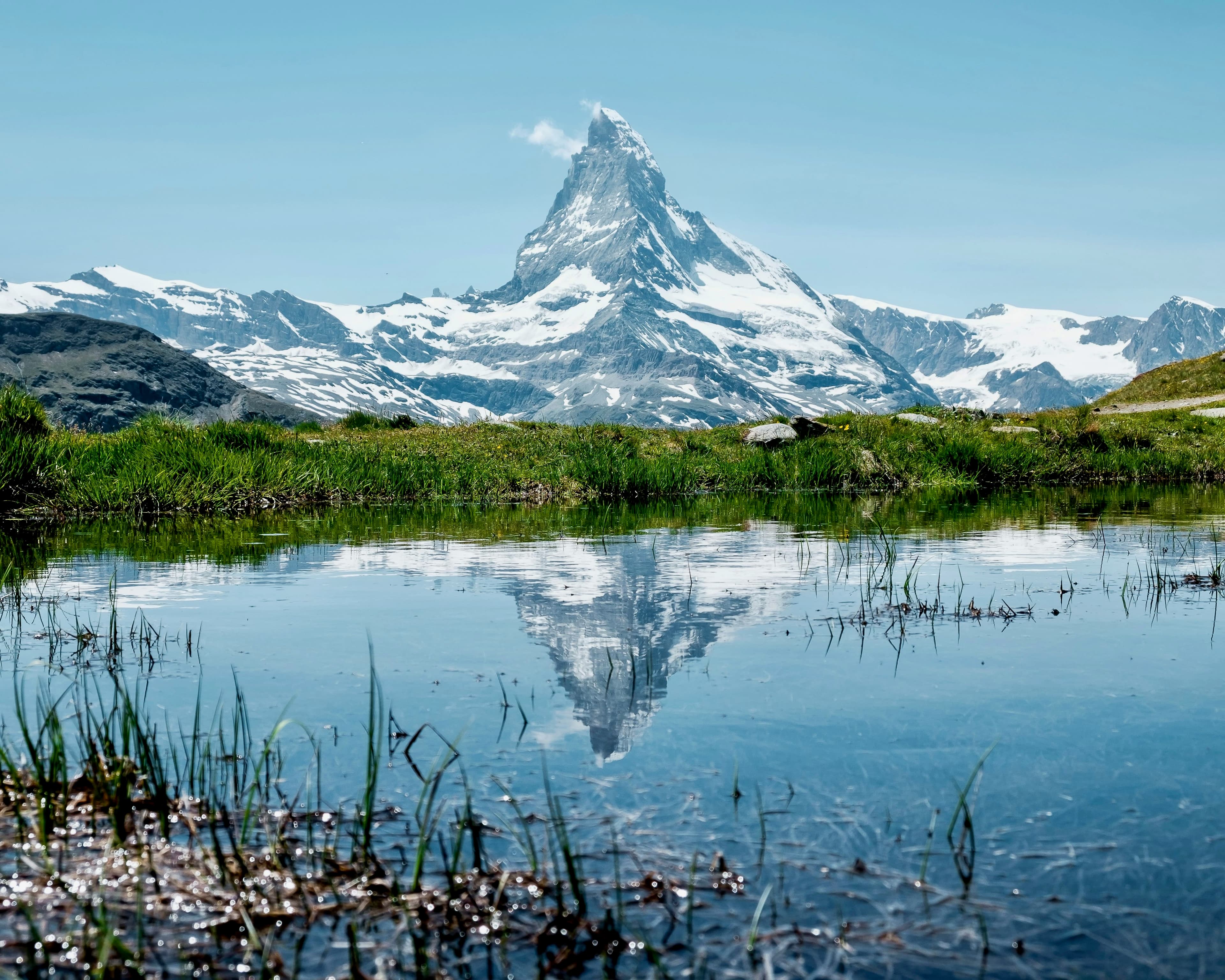
With four languages, three distinct cultures, and some of Europe’s most dramatic landscapes, Switzerland packs an impressive density of culture and terrain into an area smaller than West Virginia. A few hours by train takes you from Zurich’s urban polish to the Matterhorn’s sharp peak, and from Geneva’s international calm to the polished glamour of St. Moritz. A morning in Basel’s world-class museum district, an afternoon on a lake in Lucerne, and a chalet dinner in Zermatt can all happen within the same trip without ever feeling rushed. Whether you’re coming in winter for skiing, in summer for hiking, or during shoulder season to bask in the beautifully maintained landscapes, Switzerland remains a compelling destination in any season.
Need to know
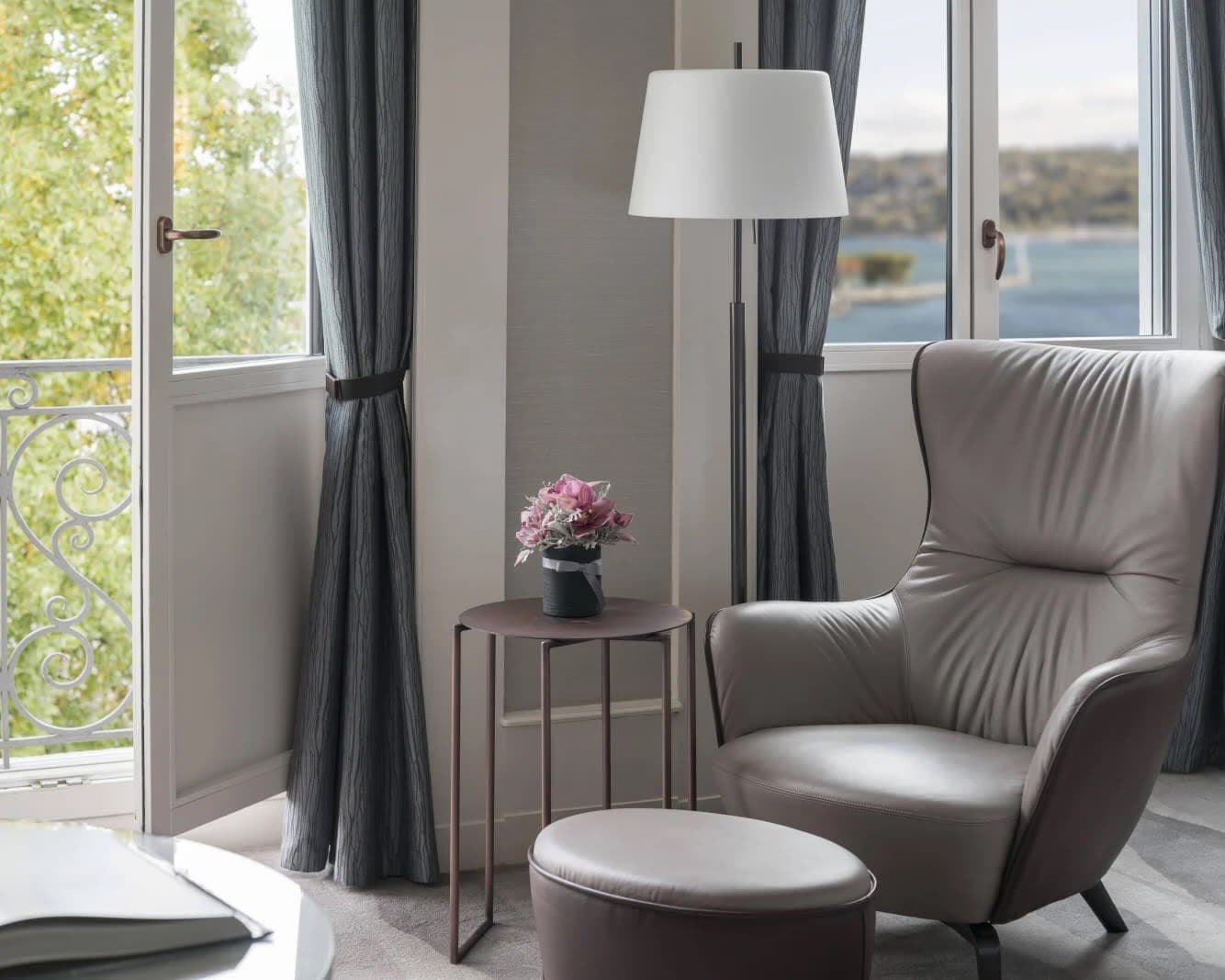
Switzerland is straightforward to navigate and well set up for visitors, but a few things are worth knowing before you go.
Currency: Switzerland uses the Swiss Franc (CHF). Cards are widely accepted, but cash is useful for smaller purchases, markets, and rural areas. ATMs are easy to find. Note that Switzerland borders the eurozone, so euros are handy for visiting neighboring countries.
Languages: Switzerland has four official languages, each dominant in a different region: German in the north and east, French in the west, Italian in the south, and Romansh to a smaller degree in the southeast. Most Swiss are multilingual, with English widely spoken and understood.
- Key phrases (German): hallo (hello), danke (thank you), bitte (please), entschuldigung (excuse me), ja/nein (yes/no), sprechen sie Englisch? (do you speak English?).
- Key phrases (French): bonjour (hello), merci (thank you), s’il vous plaît (please), excusez-moi (excuse me), oui/non (yes/no), parlez-vous anglais? (do you speak English?).
- Key phrases (Italian): ciao (hello), grazie (thank you), per favore (please), scusi (excuse me), sì/no (yes/no), parla inglese? (do you speak English?).
Airports: Zurich (ZRH) is Switzerland’s primary international gateway, with year-round and seasonal flights from around 20 North American cities like Los Angeles, Seattle, and Chicago. Geneva (GVA) is a solid alternative, particularly for those heading to the French Alps or western Switzerland, with year-round nonstop flights from New York, Washington D.C., and Montreal.
Transportation: Switzerland’s train network is among the best in the world—punctual, affordable, and comprehensive. For getting around cities like Zurich and Geneva, Uber tends to run significantly cheaper than traditional taxis.
Best time to visit: Switzerland rewards visitors year-round, with the season shaping the experience entirely. Summer (June–August) is ideal for lake swimming, alpine hiking, and long days outdoors. Spring (April–May) and fall (September–November) offer quieter travel and pleasant temperatures. Winter (December–March) is the prime ski season.
Ideal length of stay: One to two weeks allows enough time to explore Switzerland without feeling rushed. Switzerland also works well as a stopover within a larger European itinerary, with three days in a city like Zurich worth the addition.
Signature dishes and drinks:
- Cheese fondue: The communal dish Switzerland is most associated with Gruyère and Vacherin melted together, served with bread for dipping
- Raclette: Melted cheese scraped tableside over potatoes, pickles, and pearl onions
- Rösti: Crispy pan-fried potato cake, often topped with eggs, cheese, or alongside meats
- Zürcher Geschnetzeltes: Zurich’s signature dish of sliced veal and mushrooms in a cream sauce, typically paired with rösti
- Birchermüesli: Breakfast favorite of oats, fresh fruit, nuts, and yogurt or milk
- Chocolate: World-class confections from large factories and family-run shops
- Zopf: A soft, buttery bread that’s golden, braided appearance; traditionally baked on Sundays
- Bündner Nusstorte: Flaky pastry shell filled with caramelized walnuts, a specialty of the Graubünden region
- Wine: Understated, particularly crisp whites from the Valais and Vaud regions
- Rivella: Carbonated soft drink made from milk whey
- Absinthe: Green anise-flavored spirit originally distilled in the Val de Travers valley
What to wear: Comfortable walking shoes are a non-negotiable—cobblestone streets and lakeside promenades cover a lot of ground. Layers work well year-round, as temperatures shift between day and evening, and mountain destinations can turn cold regardless of season. The Swiss dress is practical but polished, especially for dinners and evenings out.
Travel tips:
- Seasonality: Some mountain hotels, restaurants, and lifts close during shoulder seasons like spring and fall. Confirm what’s open before locking in an itinerary.
- Cost: Switzerland is one of Europe’s more expensive destinations. Rail passes and casual lunches can go a long way toward lightening overall expenses.
- Skiing: Layer up and dress for the mountain—temperatures drop quickly at altitude. Sunscreen and goggles are essential.
- Off-piste skiing: While popular, it carries real risk. Check avalanche conditions, consider hiring a certified guide, and make sure trip insurance covers extreme sports.
Zurich
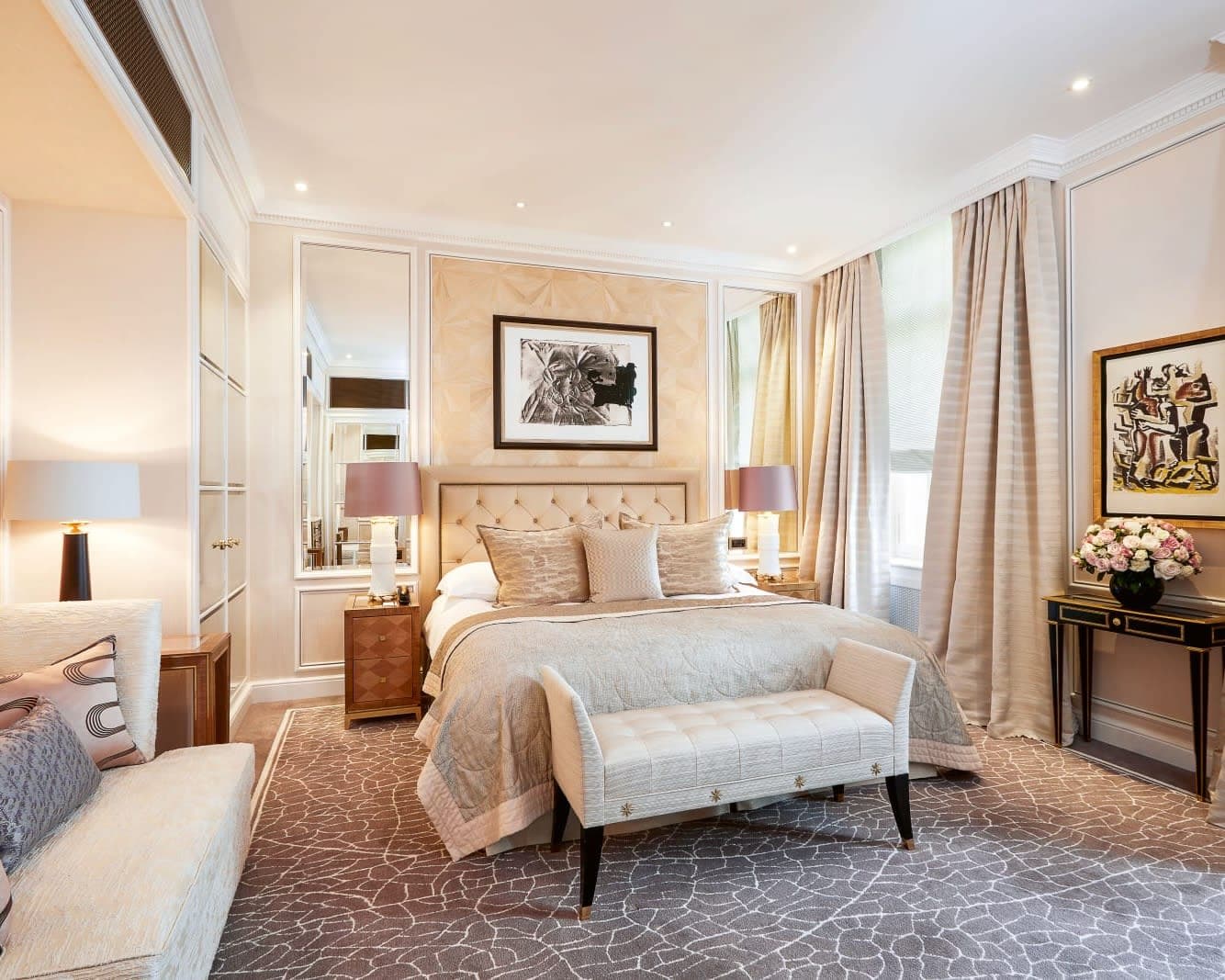
Zurich is Switzerland’s largest city and cultural engine. The medieval old town spills down to the Limmat River, lined with guild houses, independent boutiques, and restaurants. The lake provides a natural opportunity to decompress, with swimming spots, promenade walks, and mountain views. Cultured, walkable, and quietly cosmopolitan, it’s a city that rewards slowing down.
Where to stay
Mandarin Oriental Savoy, Zurich: Sophisticated rooms, a destination spa, and a celebrated dining program, centrally placed for the city’s best shopping and cultural draws.
- Fora’s Mandarin Oriental Fan Club partner perks includea $100 hotel credit, daily breakfast, welcome amenity, an upgrade, and extended check-in/out whenever possible.
Baur au Lac: Zurich’s most storied address, set in a private park on the lake since 1844. Discreet, impeccably maintained, and favored by those who prefer understated luxury.
- Fora Perks include a $100 food and beverage credit, daily breakfast, welcome amenity, an upgrade, and extended check-in/out whenever possible.
The Dolder Grand: Landmark hotel with sweeping views over Zurich and the lake, with an alpine setting and storybook architecture.
- Fora Perks include a $100 hotel credit, daily breakfast, an upgrade, and extended check-in/out whenever possible.
Park Hyatt Zurich: Sleek, design-forward option in the financial district, built around contemporary art, clean-lined interiors, and a well-regarded restaurant.
- Fora’s Hyatt Privé partner perks includea hotel credit, welcome amenity, daily breakfast, an upgrade, and extended check-in/out whenever possible.
La Réserve Eden au Lac Zurich: An intimate lakeside boutique hotel with a Parisian sensibility and a loyal following among creative travelers.
- Fora Perks include a $100 food and beverage credit, daily breakfast, an upgrade, and extended check-in/out whenever possible.
AMERON Zürich Bellerive au Lac: Lakefront retreat with clean, contemporary design, and a relaxed atmosphere that sits apart from the city’s busier hotel corridor.
Geneva
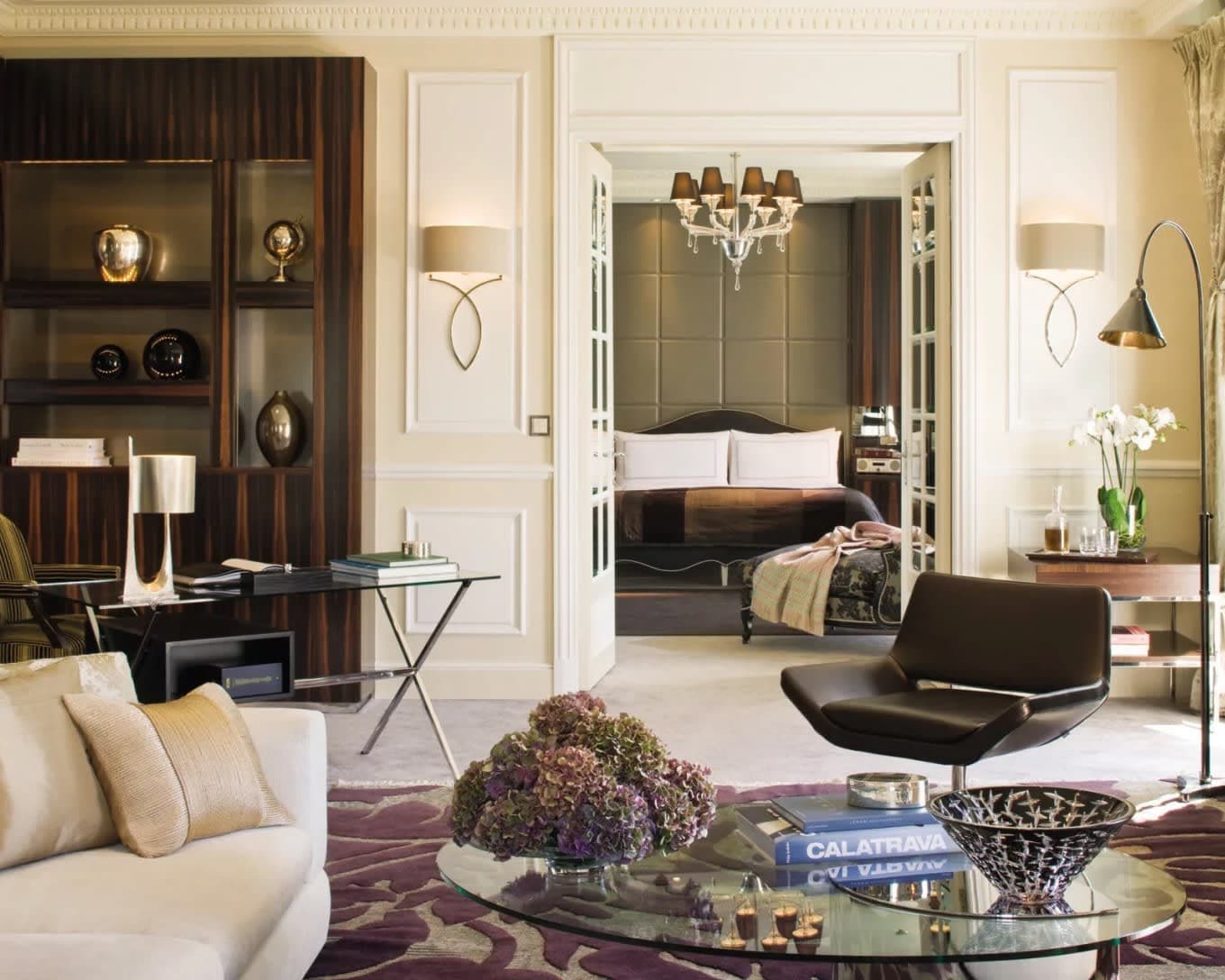
Geneva is shaped by its role as a global hub for finance, watchmaking, and humanitarian organizations. The Old Town sits above the Rhône, anchored by St. Peter’s Cathedral and a dense network of museums and galleries. The lakefront is lined with parks and terraces, creating a sense of a polished calm.
Where to stay
The Woodward, Auberge Collection: Beautifully restored Belle Époque property on the Rhône, where Auberge’s signature warmth meets understated elegance.
- Fora Perks include a $100 food and beverage credit, daily breakfast, an upgrade, and extended check-in/out whenever possible.
Four Seasons Hotel Des Bergues Geneva: Geneva’s oldest hotel, set directly on the lake with views of the Jet d’Eau, balances historic gravitas with contemporary comfort.
- When you book Four Seasons with Fora, you’ll enjoy exclusive Four Seasons Preferred Partner benefits.
Mandarin Oriental, Geneva: Sleek, contemporary retreat known for impeccable service, refined interiors, and a spa that ranks among Geneva’s best.
- Fora’s Mandarin Oriental Fan Club partner perks includea $100 hotel credit, daily breakfast, welcome amenity, an upgrade, and extended check-in/out whenever possible.
The Ritz-Carlton Hotel de la Paix, Geneva: One of Geneva’s most impressive stays, this landmark property has a storied past, grand architecture, and well-regarded service.
- Fora’s Marriott STARS partner perks includea $100 hotel credit, daily breakfast, welcome amenity, an upgrade, and extended check-in/out whenever possible.
Hotel Metropole Geneve: Classic Geneva address steps from the lake and the Old Town, offering traditional Swiss hospitality with a well-located, unpretentious ease.
Lucerne
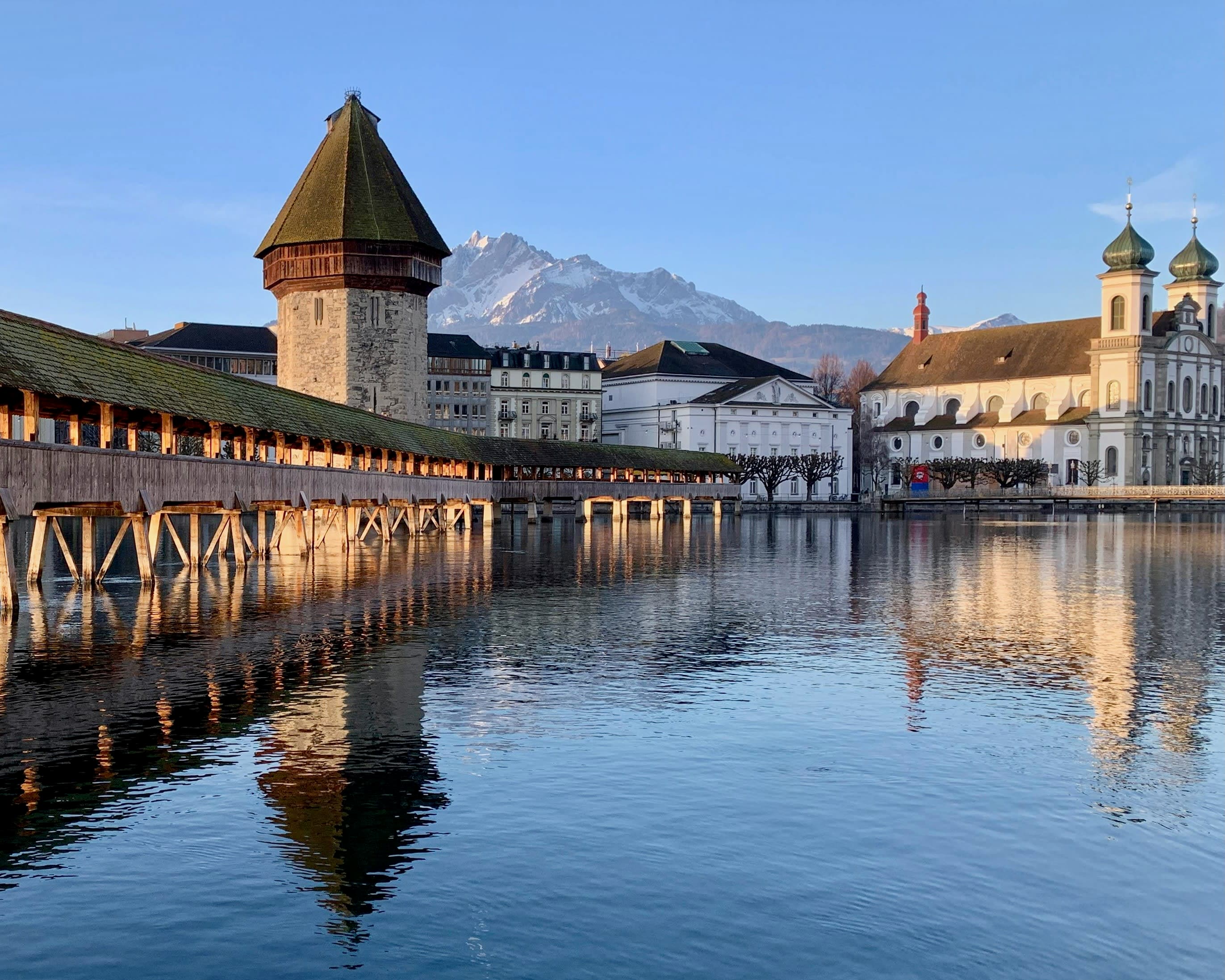
Lucerne sits at the edge of a lake with the Alps rising behind it. The Chapel Bridge, the medieval walls, and the compact old town make it one of Switzerland’s most immediately beautiful cities. Easy to navigate, rich with history, and a natural base for excursions, it’s less frenetic than Zurich but more accessible than the high alpine resorts.
Where to stay
Bürgenstock Hotel & Alpine Spa: Dramatic clifftop resort above Lake Lucerne, where panoramic Alpine views meet an expansive spa complex.
- Fora Perks include a $100 hotel credit, daily breakfast, an upgrade, and extended check-in/out whenever possible.
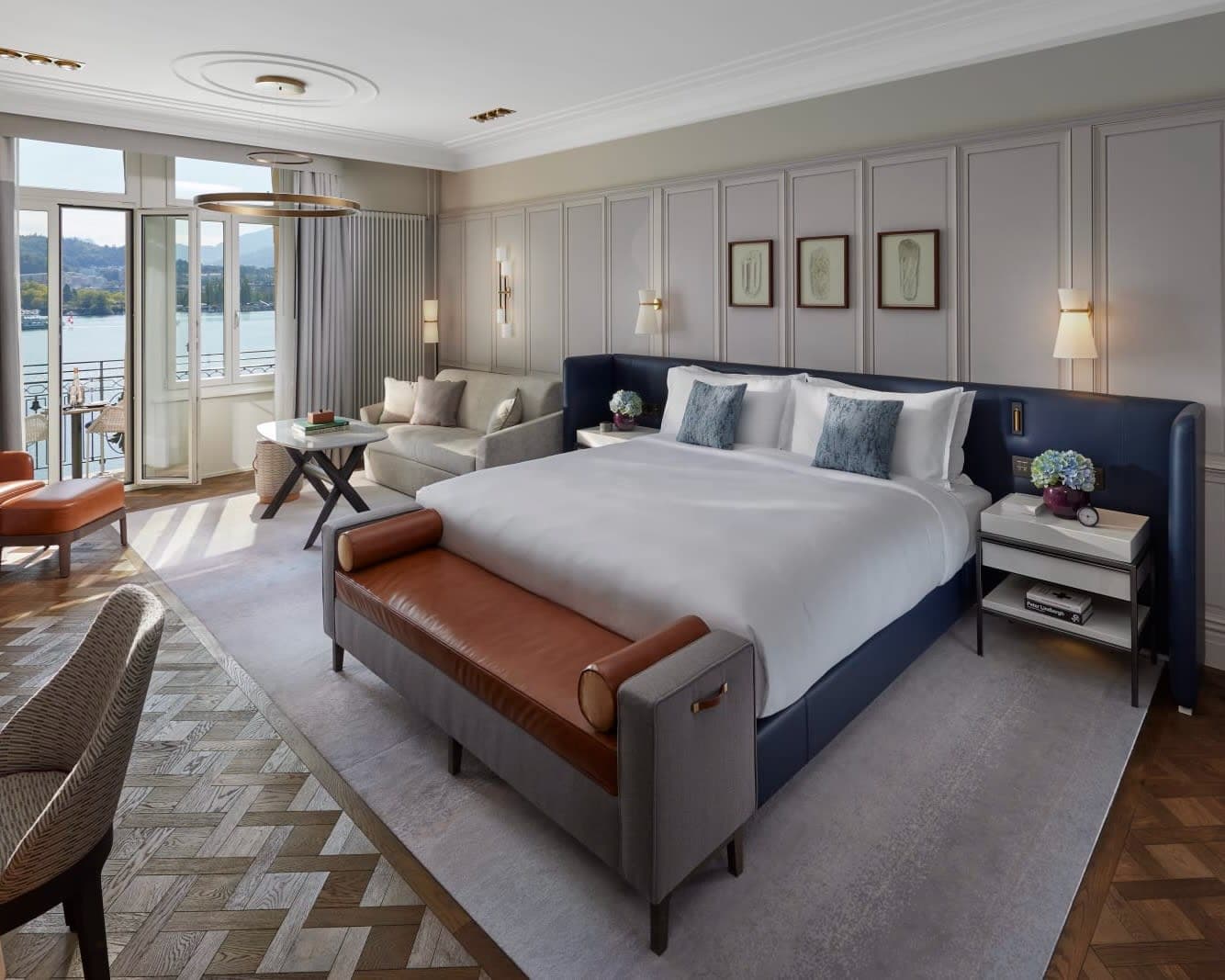
Mandarin Oriental Palace, Luzern: Beautifully restored Belle Époque landmark on the lakefront, combining the brand’s signature service with a polished hotel address.
- Fora’s Mandarin Oriental Fan Club partner perks includea $100 hotel credit, daily breakfast, welcome amenity, an upgrade, and extended check-in/out whenever possible.
Park Hotel Vitznau: A secluded retreat, set on the quieter eastern shores of Lake Lucerne for a deeply comfortable stay.
- Fora Perks include a CHF 100 hotel credit, daily breakfast, welcome amenity, an upgrade, and extended check-in/out whenever possible.
Hotel Schweizerhof Luzern: Classic grand hotel in the heart of Lucerne, steps from the Chapel Bridge, that’s warm and traditionally Swiss in character.
Zermatt
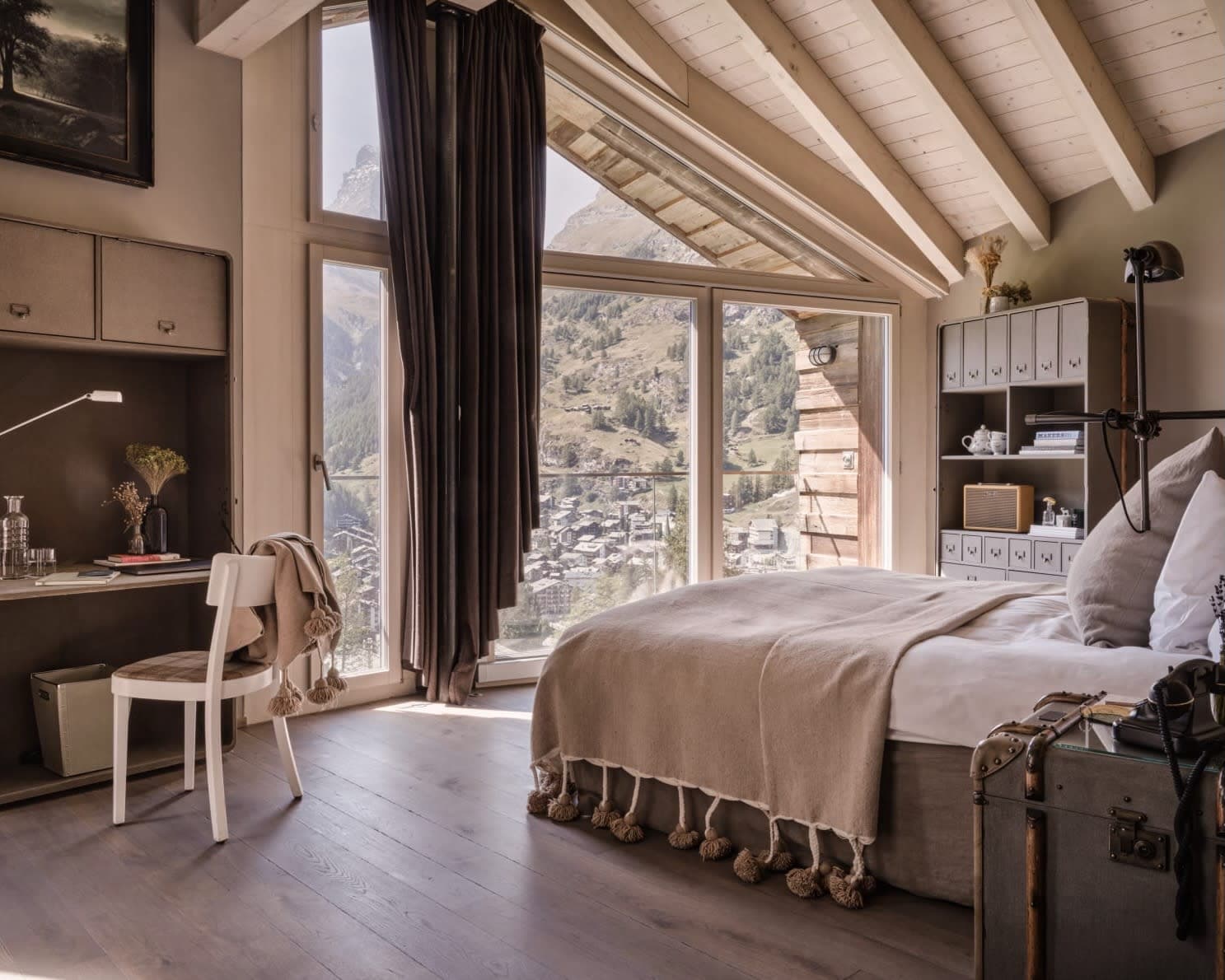
Zermatt exists in the shadow of the Matterhorn, with car-free streets and a year-round draw that shifts from world-class skiing in winter to serious alpine hiking in summer. The mountain views are among the most dramatic in Europe, and the town’s mix of traditional chalets, excellent dining, and unhurried pace makes it easy to stay longer than planned.
Where to stay
CERVO Mountain Resort: Chalet-style retreat with a distinctly alpine soul displayed in rough-hewn timber, cozy interiors, and direct Matterhorn views.
- Fora Perks include a $100 food and beverage credit, daily breakfast, an upgrade, and extended check-in/out whenever possible.
Mont Cervin Palace: An institution with over 150 years of history, whose prime location at the foot of the Matterhorn and traditional Swiss grandeur has kept guests returning for generations.
- Fora Perks include a $100 hotel credit, daily breakfast, an upgrade, and extended check-in/out whenever possible.
The Omnia: An intimate, architecturally striking retreat, with Matterhorn views from nearly every room.
Schweizerhof Zermatt: Well-established address combining classic Alpine hospitality with modern comfort steps from the village center and ski lifts.
- Fora’s withIN by SLH partner perks includea $100 food and beverage credit, daily breakfast, an upgrade, and extended check-in/out whenever possible.
Hotel Chesa Valese: Charming and intimate St. Moritz retreat with the feel of a private chalet, complete with warm interiors, personalized service, and a quiet residential setting.
History and culture
Switzerland’s story begins with Celtic peoples (primarily the Helvetii), who are still seen on coins and stamps today. The Romans followed, establishing settlements and leaving traces still visible today, like the remarkably intact Roman theater and forum just outside Basel. In the medieval period, the Swiss Confederation took shape through a series of alliances between Alpine communities seeking to protect their autonomy. Switzerland’s decision to remain neutral during the World Wars cemented its autonomous identity, making Geneva a global hub for diplomacy and humanitarian work.
For travelers, this history is well preserved from the medieval old towns of Bern, Lucerne, and Zurich, the 14th-century Chapel Bridge in Lucerne, and castles like Château de Chillon along Lake Geneva. Switzerland’s four language regions—each with distinct food, architecture, and cultural traditions—reflect centuries of coexistence that never quite homogenized. The variety of Switzerland is part of what makes it so compelling to explore.
Cultural celebrations and events
- Lucerne Carnival (February/March, Lucerne): Streets fill with parades, music, and colorful costumes celebrating the arrival of spring.
- Sechseläuten (April, Zurich): Colorful parades, costumes, and the burning of the Böögg, a symbolic snowman whose fiery demise predicts the coming of summer.
- Art Basel (June, Basel): Each summer, Basel becomes a magnet for the global art world with galleries, pop-up exhibitions, and collector events around contemporary art.
- International Balloon Festival (July, Château-d’Oex): Pilots from around the world compete in this iconic festival, offering a spectacular visual treat.
- Swiss National Day (August 1, nationwide): Marking the 1291 founding of the Swiss Confederation, with fireworks, village bonfires, and parades.
What to do in Switzerland
Switzerland packs a variety of experiences into a remarkably compact country, where landscapes range from medieval old towns to alpine peaks and glacier lakes.
Zurich
- Old Town (Altstadt): Compact, walkable medieval core full of independent shops, galleries, and cafés that runs along both banks of the Limmat River.
- Lake Zurich: Boat cruises, lakeside promenades, and summer swimming make this the city’s most popular outdoor playground.
- Lindt Home of Chocolate: A well-executed museum with tastings and interactive displays on the history of chocolate-making.
- Museums: The Kunsthaus Zürich holds one of Switzerland’s finest art collections, while the Swiss National Museum covers the breadth of Swiss history.
- Shopping: Walk the exclusive Bahnhofstrasse for great shopping opportunities, or head to the Viadukt for boutique shops and restaurants.
- Nightlife: The Langstrasse district anchors the city’s bar and club culture, with a mix of low-key wine bars, live music venues, and electronic music clubs.
Geneva
- Old Town (Vieille Ville): Wander Geneva’s historic core, taking in St. Pierre Cathedral and Maison Tavel, the city’s oldest surviving house, now a museum of urban history.
- Lake Geneva: Walk the flower-lined shoreline, pause at the Flower Clock in the Jardin des Anglais, or take an evening dinner cruise with views of the Alps at dusk.
- Watchmaking: Tour historic factories and the Patek Philippe Museum, browse shops along the Rue du Rhône, or design your own timepiece at a hands-on workshop.
- Swiss Army Knife workshop: Participate in a hands-on building session where you select the tools and assemble your own knife to take home.
- International District: Visit the the UN’s European headquarters at the Palace of Nations, and the thought-provoking International Red Cross and Red Crescent Museum.
- CERN: Stop by the birthplace of the World Wide Web and home to the world’s largest particle physics laboratory for a rare look inside this scientific site.
Lucerne
- Lake Lucerne: Beyond the flower-lined lakefront promenade, scenic ferries run half- and full-day routes across the lake, with food, drinks, and sweeping Alpine views.
- Chapel Bridge (Kapellbrücke): Europe’s oldest covered wooden bridge, with painted panels depicting Swiss history running the length of the interior.
- Lion Monument (Löwendenkmal): A large rock relief carved directly into a cliff face, commemorating the Swiss Guards who died during the French Revolution.
- Old Town (Altstadt): A pedestrian-only medieval core with cobblestone squares, painted building facades, and an unhurried atmosphere.
- Musegg Wall and Towers: A well-preserved stretch of 13th-century city fortifications with climbable towers offering panoramic views over the rooftops.
- Mount Rigi: Ride a rack railway—one of the oldest in Europe—to the summit, then walk to a mountain café for cheese, views, and a genuinely Alpine afternoon.
Zermatt
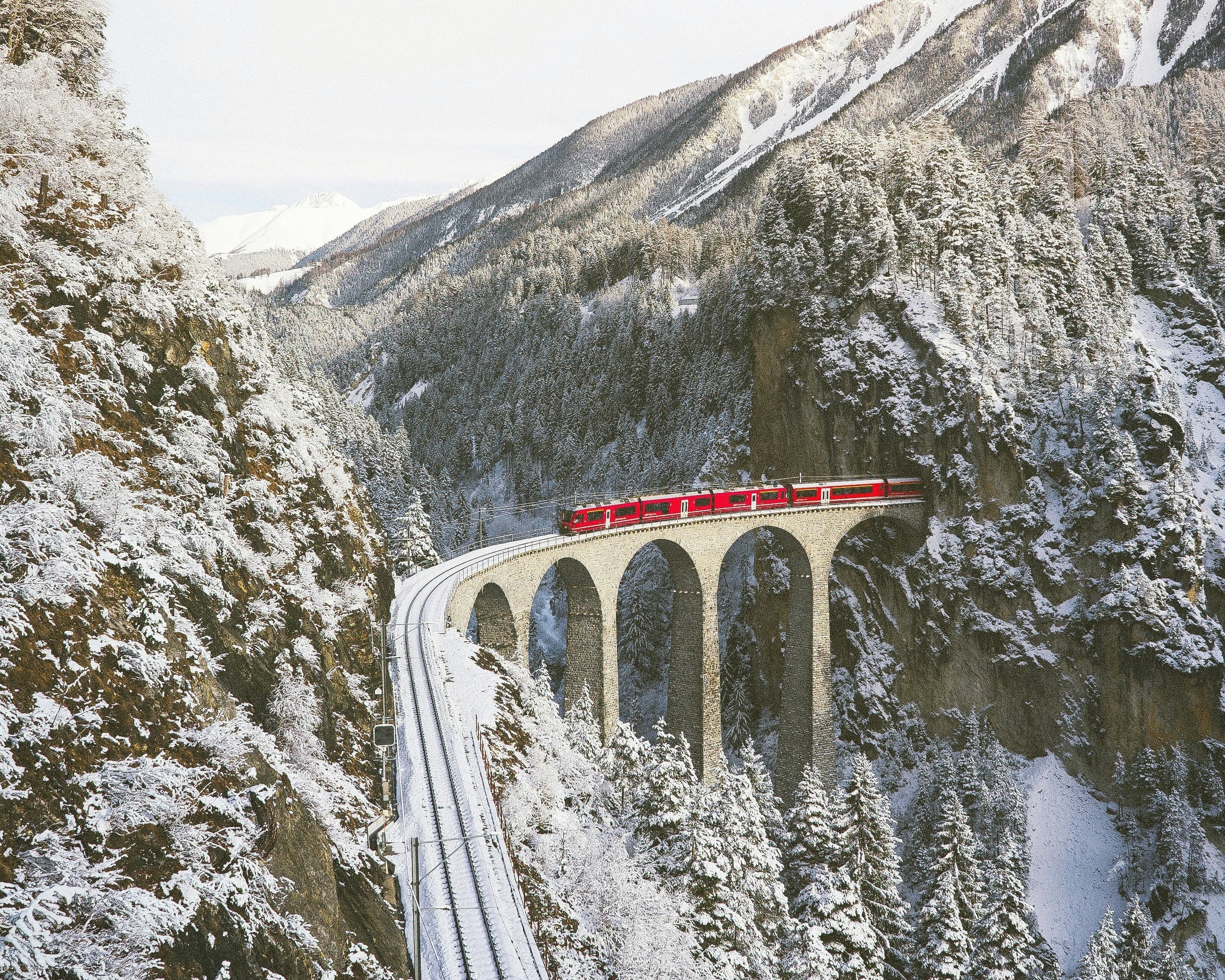
- Glacier Express: One of the world’s great train journeys—a slow, panoramic ride through Alpine valleys, over dramatic viaducts, and past classic Swiss villages.
- Matterhorn Glacier Paradise: A cable car ascends to Europe’s highest mountain station, where the Glacier Palace, a cinema lounge, and year-round snow await.
- Hiking: Trails range from leisurely valley walks to serious summit routes, like the 5-Lakes Walk for a series of alpine lakes or Gorner Gorge, carved by glacial meltwater.
- Border crossing: Take the cable car over the ridge into Italy—a genuinely novel way to cross an international border, with lunch on the other side as the reward.
- Skiing: Zermatt sits at the center of one of the Alps’ most extensive ski areas, where the Matterhorn is a constant backdrop.
Where to eat in Switzerland
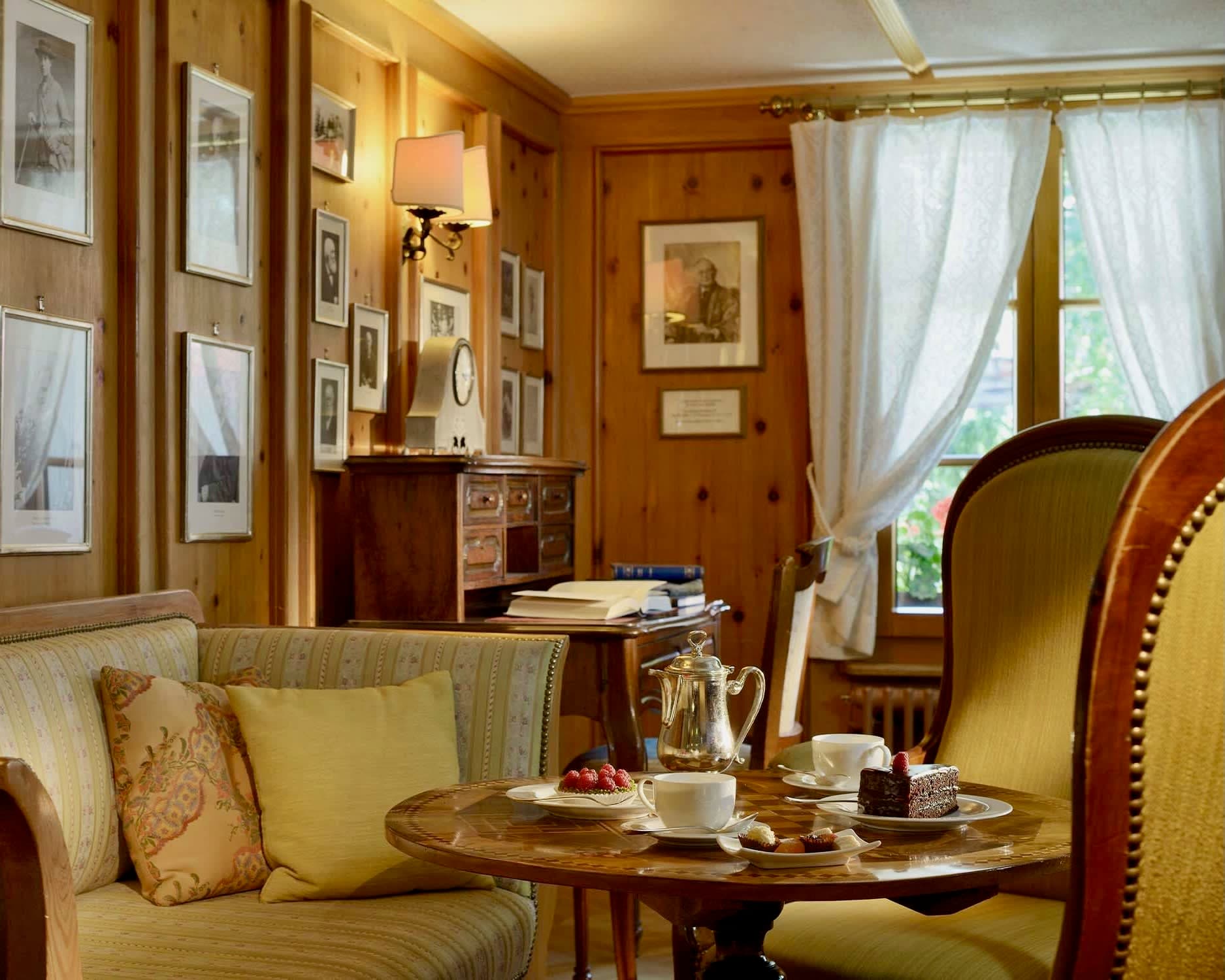
Switzerland’s dining scene reflects the varied cultural geography, from French refinement to hearty Alpine traditions.
Zurich
- Hiltl: The world’s oldest vegetarian restaurant, as recognized by Guinness World Records, serving creative, flavorful plant-based dishes in a modern, lively setting.
- Café Bar ODEON: Historic Art Nouveau style coffeehouse with a culturally rich, elegant atmosphere.
- Kronenhalle: Iconic Zurich restaurant combining classic Swiss and European cuisine with walls adorned by original artwork.
- Zeughauskeller: Rustic, historic armory turned restaurant serving hearty Swiss fare in a lively communal setting.
- Restaurant Razzia: Set in a restored cinema, offering seasonal Swiss cuisine among stylish, relaxed interiors.
- Mesa Madrid: Sleek, intimate restaurant blending modern and Swiss gastronomy.
Geneva
- Café du Centre: A historic, lively brasserie known for fresh seafood platters and Swiss classics in the heart of the city.
- Chez Philippe: A polished but approachable spot for consistent quality steak and European fare.
- Bayview by Michel Roth: Michelin-starred French technique meets Swiss lakeside setting that’s meticulous and elegant.
- Cottage Café: Cozy neighborhood spot near Parc des Bastions serving fondue, raclette, and freshly baked pastries in a warm, unfussy atmosphere.
- The Foundry Restaurant, Bar and Terrace: A lively modern spot with panoramic city views from the terrace for sunset drinks or a casual dinner with a crowd.
Lucerne
- Old Swiss House: A chalet-style institution serving refined Swiss classics.
- Restaurant Balances: Contemporary European cooking with local ingredients and a riverside terrace on the Reuss in the city center.
- Wirtshaus Galliker: A family-run tavern serving honest, hearty Swiss comfort food in a warm, unpretentious setting.
- Restaurant La Cucina: Modern Italian with a Swiss sensibility in a stylish but approachable setting.
- Restaurant Seeblick: A lakeside spot where dishes come with sweeping views of the water and mountains.
Zermatt
- Whymper-Stube at Hotel Monte Rosa: A cozy, wood-paneled alpine refuge serving Swiss comfort classics with a fireside warmth.
- Harry’s Ski Bar: Zermatt’s go-to après-ski spot with an energy that carries well into the evening.
- Restaurant Schäferstube: Warm and intimate, specializing in Valais classics.
- Chez Vrony: A mountain perch with Matterhorn views and a menu built on organic, locally sourced ingredients.
- Findlerhof: A terrace restaurant with serious, refined food to match the views.
Trips to add on
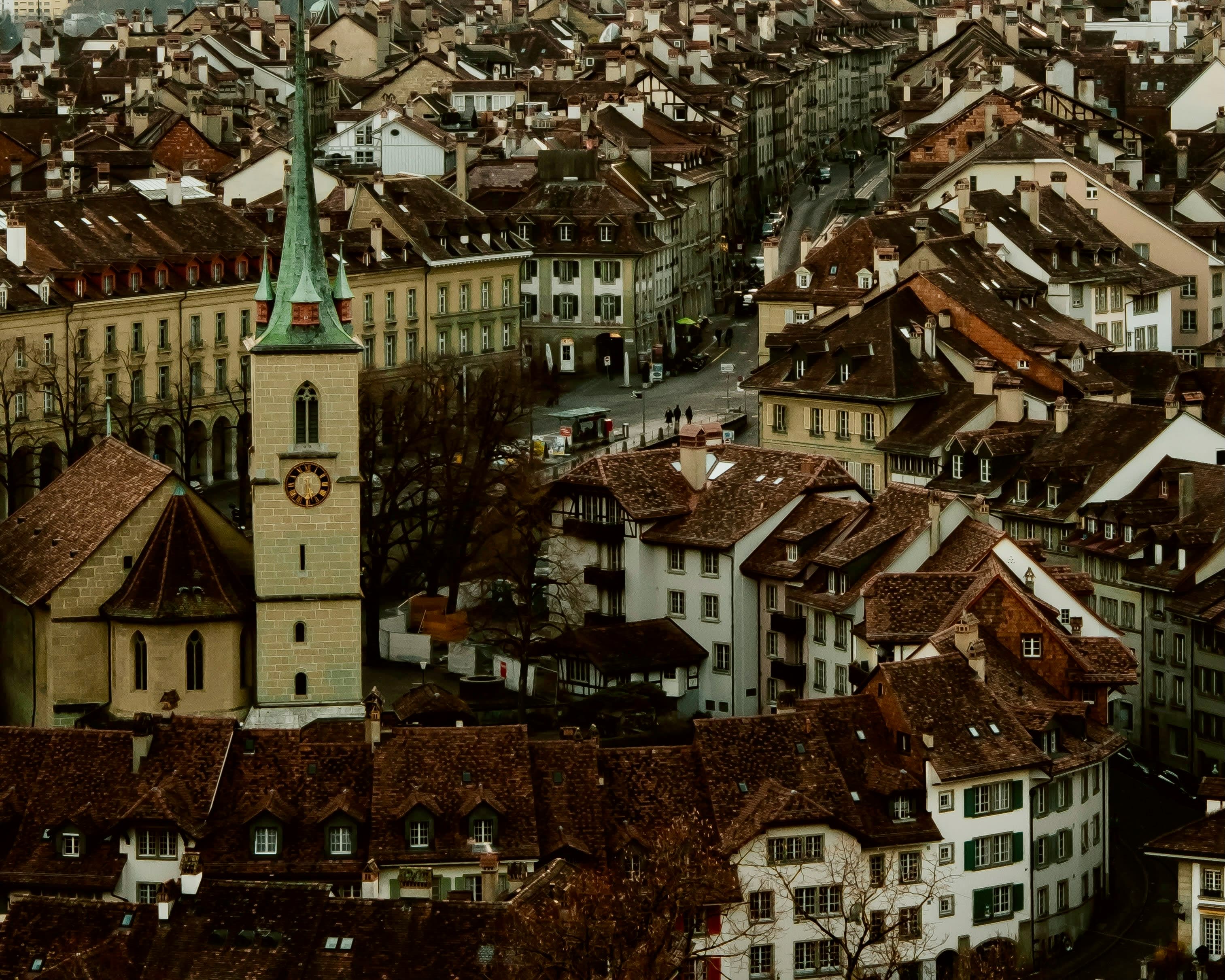
Explore more of Switzerland’s landscape or use it as a natural jumping-off point for some of Europe’s most rewarding side trips.
Bern (1-hour train from Zurich or Geneva): Switzerland’s federal capital offers a UNESCO-listed medieval old town, arcaded streets, and a relaxed pace worth a night or two.
Basel (1-hour train from Zurich): Compact city with fine art museums, a vibrant design scene, and easy access to the French and German borders.
Interlaken (2-hour train from Zurich): A classic Swiss alpine base between two lakes that’s a natural hub for hiking, paragliding, and excursions to the Jungfrau region.
Grindelwald (2.5-hour train from Zurich): Postcard alpine village home to the Jungfraujoch, the highest railway station in Europe.
St. Moritz (3.5-hour train from Zurich): Alpine glamour and championship slopes. Summer brings hiking, sailing, and a quieter, equally beautiful version of the landscape.
Italian Lakes (3–4 hours by train or car): Lugano bridges the Swiss and Italian worlds with a relaxed lakeside character. Lake Como delivers cinematic scenery and elegant villas. Milan closes the loop with fashion, design, and some of Italy’s finest food.
France (1–3 hours from Geneva): The French Alps offer skiing at Chamonix and Courchevel. Lyon earns its reputation as France’s gastronomic capital. Nice anchors the Côte d’Azur with Mediterranean light, markets, and easy coastal wandering.
If not Switzerland…
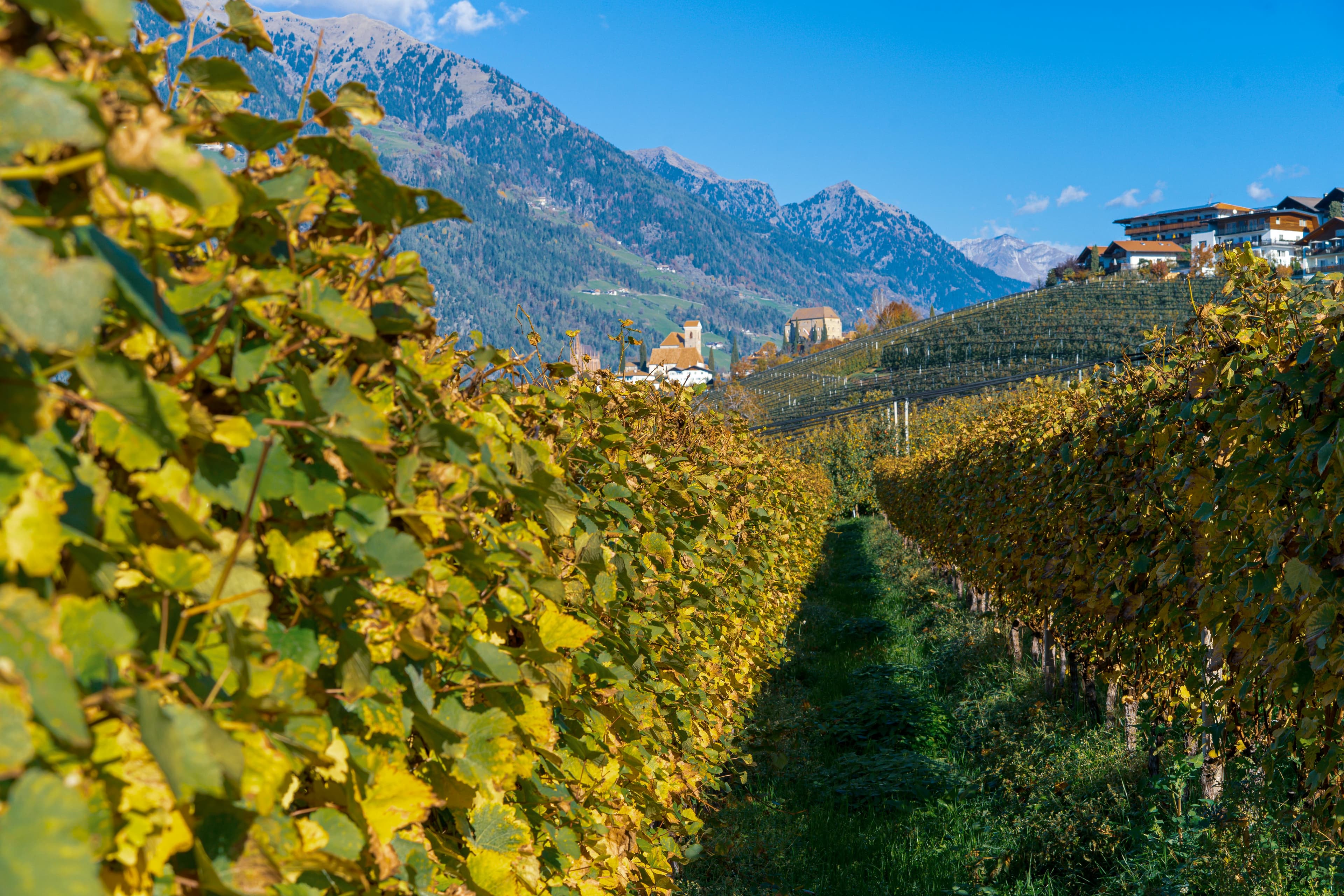
These destinations share Switzerland’s alpine DNA, but express their own character.
Dolomites, Italy: Jagged pink-limestone peaks, flower-filled meadows, and a fascinating blend of Italian and Austrian culture. World-class skiing and distinctive food and wine throughout.
Slovenia: A compact, quietly spectacular country where the Julian Alps, Lake Bled, and the Soča River valley deliver alpine scenery without the crowds or the price tag.
Austria: Vienna and Salzburg anchor the imperial concert halls, while the Tyrolean Alps and the Salzkammergut lake district rival anything Switzerland offers for mountain scenery.
Banff, Canada: The North American answer to the Swiss Alps with turquoise glacial lakes, towering Rocky Mountain peaks, and well-developed resorts around Banff and Lake Louise.
Ready to book your dream Switzerland vacation? Fill out our contact form here.

